
Managed Print Services (MPS) give organizations a practical way to cut printing costs, simplify workflows, and tighten document security. Below we outline how MPS delivers measurable savings, improves fleet performance, and supports sustainability goals. You’ll see the cost-saving tactics providers use, the benefits of proactive fleet management, and how copier leasing and IT integration make print operations easier to manage and scale.
How Do Managed Print Services Help Businesses Reduce Printing Costs?
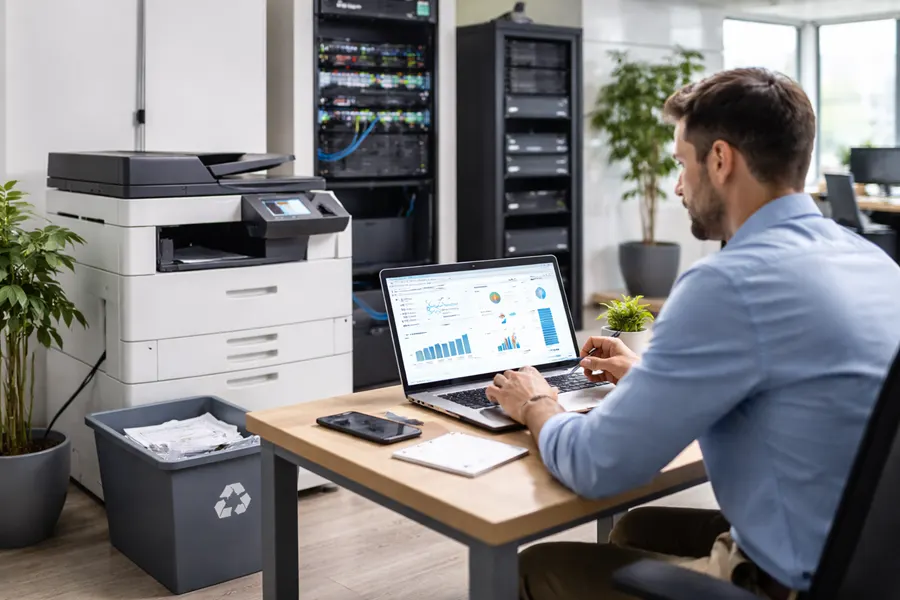
MPS cuts printing spend by making printing predictable and efficient. Providers analyze volumes and user behavior to expose waste, then apply policies, device consolidation, and centralized supply management. That combination reduces toner and paper use, lowers maintenance overhead, and eliminates duplicate devices—producing clear, ongoing cost savings and simpler budgeting.
A focused empirical study examines how pricing and contract structures operate within the managed print services market.
Empirical Study on Managed Print Services Pricing
Managed services is a rapidly growing industry that offers IT infrastructure management for companies and institutions. In this paper, we analyze managed services specifically in the context of managed print services (MPS), examining contractual interactions between MPS providers and their institutional customers using a proprietary data set.
Empirical study on managed print services pricing, J Ning, 2014
What Are the Main Cost Reduction Strategies in Managed Print Services?
The primary cost-reduction tactics used by Managed Print Services are:
- Print Assessment: A baseline audit of devices, users, and workflows to pinpoint waste and quick-win savings.
- Device Optimization: Right-sizing the fleet—consolidating models and placing the right device where it’s needed to lower service and supply costs.
- Supplier Negotiations: Centralized purchasing and contract negotiation to secure better pricing, service levels, and supply terms.
Applied together, these approaches cut direct print expenses and free up IT and facilities resources for higher-value work.
What Are the Advantages of Print Fleet Management and Optimization?
Print fleet management creates a healthier, more predictable print environment. By monitoring and maintaining the entire fleet, businesses reduce downtime, extend equipment life, and deliver a more consistent user experience across locations.
How Does Print Fleet Management Improve Business Printing Efficiency?
Print fleet management improves business printing efficiency by:
- Performance Tracking: Using usage data to spot underused devices and rebalance the fleet.
- Resource Allocation: Matching the right devices to specific tasks so employees spend less time waiting and more time working.
- User Satisfaction: Reducing interruptions with reliable devices, timely service, and proactive supply replenishment.
These practices turn printing from a recurring headache into a managed service that supports daily operations.
What Tools Are Used for Print Usage Tracking and Workflow Automation?
Common tools for tracking usage and automating workflows include:
- Print Management Software: Platforms that log jobs, produce cost reports, and trigger alerts for maintenance or low supplies.
- Document Workflow Automation Tools: Systems that route, scan, and archive documents to reduce manual handling and unnecessary prints.
- Mobile Printing Solutions: Secure, cloud-enabled options that let users print from phones or tablets without compromising control.
Together, these tools deliver the visibility and control needed to manage print costs and streamline document flows.
How Do Managed Print Services Enhance Security and Compliance?
MPS strengthens document security and helps organizations meet compliance obligations by enforcing access controls, encrypting data, and keeping auditable records of print activity—reducing the risk of data exposure from unattended or misrouted documents.
What Security Features Are Included in Managed Print Solutions?
Security features typically include:
- Data Encryption: Protecting documents while they’re sent to devices and when stored on device hard drives.
- Access Controls: Role-based permissions and secure print release so only authorized users retrieve sensitive output.
- Audit Trails: Detailed logging of print jobs for monitoring, investigation, and cost allocation.
These controls make it easier to spot anomalies and demonstrate compliance with internal policies and external regulations.
How Do Managed Print Services Support Document Security Compliance?
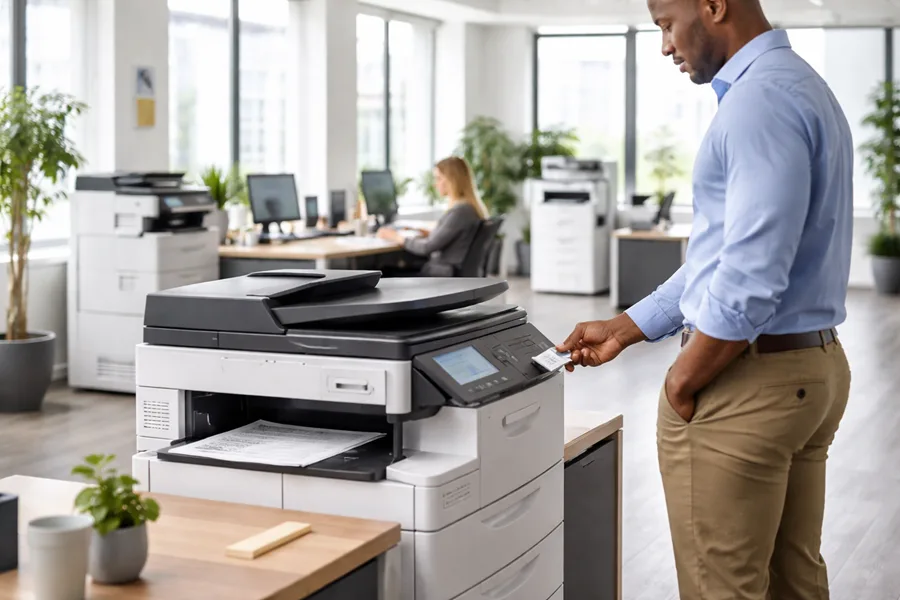
Managed Print Services support compliance by:
- Adhering to Regulatory Standards: Implementing practices that align with industry-specific requirements.
- Implementing Secure Print Release: Requiring user authentication at the device to prevent unattended documents.
- Regular Security Audits: Conducting periodic reviews to uncover vulnerabilities and validate controls.
Proactive security and regular audits help organizations reduce risk and maintain regulatory readiness.
What Is the Environmental Impact and Sustainability Benefit of Managed Print Services?
MPS offers concrete sustainability benefits by reducing paper and energy use, optimizing device efficiency, and encouraging greener procurement—helping organizations lower their environmental footprint while saving money.
How Do Managed Print Services Contribute to Environmental Sustainability?
Managed Print Services advance sustainability by:
- Reducing Paper Waste: Shifting workflows to digital, enforcing duplex defaults, and setting print limits.
- Energy Efficiency: Deploying energy-rated devices and power-management settings to cut consumption.
- Sustainable Sourcing: Choosing remanufactured supplies and vendors with transparent environmental practices.
These steps reduce waste and support corporate responsibility goals without sacrificing productivity.
What Are the Measurable Environmental Benefits of Print Optimization?
Measurable benefits include:
- Carbon Footprint Reduction: Fewer prints and more efficient devices mean lower greenhouse gas emissions.
- Resource Conservation: Less paper and toner used reduces waste and landfill impact.
- Cost Savings: Lower supply and energy use translate into real operational savings.
Tracking these metrics helps validate sustainability initiatives and communicate results internally and externally.
What Are the Benefits and Options of Copier Leasing Through Managed Print Services?
Leasing copiers through an MPS program gives companies access to current technology without large upfront costs. Leasing can simplify budgeting, provide predictable service, and make it easier to scale equipment as needs change.
How Do Flexible Copier Leasing Options Support Business Needs?
Flexible leasing supports business needs by:
- Customizable Terms: Letting you choose contract lengths and service packages that match operational rhythms.
- Up-to-Date Technology: Enabling regular upgrades so you always have current features and performance.
- Scalability: Allowing you to add or remove devices as volumes and locations evolve.
Leasing shifts risk from capital assets to service agreements, so IT and finance teams can focus on strategy rather than equipment refreshes.
What Leasing Terms and Financing Options Are Available?
Typical leasing and financing choices include:
- Short-Term Leases: Useful for pilot projects, temporary sites, or seasonal demand.
- Long-Term Leases: Best for predictable, steady-state operations seeking stable monthly costs.
- Flexible Payment Plans: Options that align payments with cash flow, usage, or service-level needs.
These options let businesses pick an arrangement that fits cash flow and growth plans.
How Does IT Support Integration Enhance Managed Print Services?
Integrating MPS with IT systems makes management seamless: device monitoring, security policies, and print workflows become part of the broader IT ecosystem, improving reliability and control.
What Role Does IT Support Play in Managed Print Service Efficiency?
IT support contributes to MPS efficiency by:
- Streamlining Processes: Connecting print management tools to existing directories, authentication systems, and help desks.
- Troubleshooting Issues: Delivering fast technical response to minimize downtime and service disruption.
- Training Users: Helping staff adopt best practices for secure, efficient printing.
Close IT collaboration ensures MPS delivers both operational and security benefits.
How Does Integration Improve Print Security and Workflow Automation?
Integration improves security and automation by:
- Centralizing Management: Giving IT a single pane of glass for policies, updates, and incident response.
- Automating Processes: Using workflows and rules to reduce manual steps and human error.
- Enhancing Data Protection: Applying network security standards and encryption consistently across devices.
When MPS and IT are aligned, you get a more secure, efficient, and auditable printing environment.
Drive sales, earn commissions—apply now!
Become our partner and turn clicks into cash—join the affiliate program today!
A really good blog and me back again.
Get paid for every referral—sign up for our affiliate program now!
Start earning every time someone clicks—join now!
Become our affiliate—tap into unlimited earning potential!
Partner with us for high-paying affiliate deals—join now!